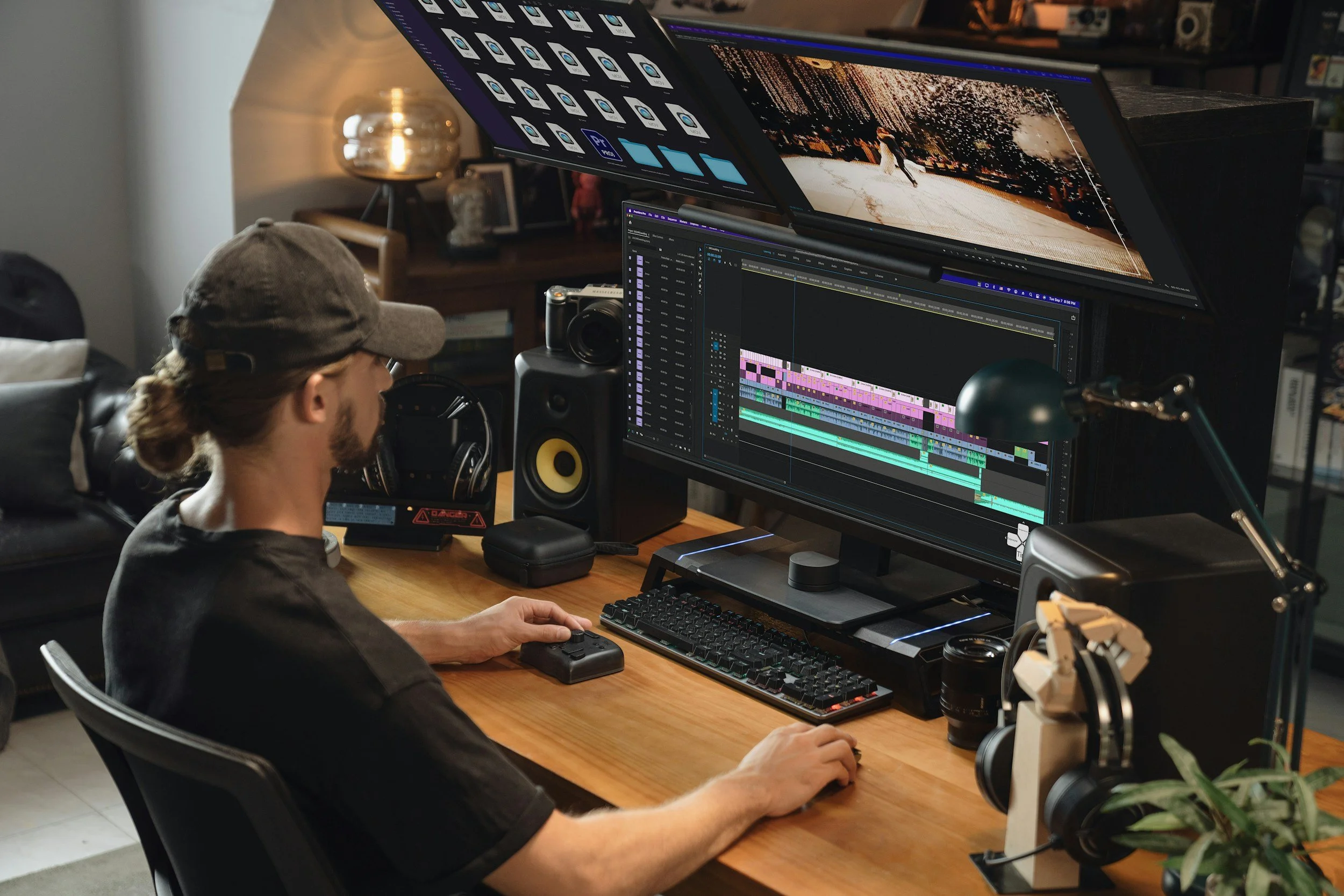
Lenso × ANDEC — Analog Workflow Design
Lab-backed analog workflow design that protects creative intent, schedule, and delivery — from format & stock decisions to dailies, processing, scanning, and post handoff.
Built in Madrid. Designed for international productions.
What is this?
Lenso and ANDEC work directly with your production to define the analog workflow before shooting begins. Together, we help you make informed decisions about format, camera, lenses, film stock, processing, scanning and delivery.
When should you involve us?
This work starts in the very beginning, even in the pitching stage.
If you want to shoot on film and want to include as many details on a production deck, we can help you define the budget and structure to help you get the grants.
If you are a DOP and want to get production on board with shooting on film or you’ve already decided and you want to prepare as much as possible to do a great job.
If you’ve never shot on film but you really want to and need a team to guide you along the way.
If it’s your first time shooting in Spain we can also provide guidance and connect you with every service you need.
In every case, the service starts before you shoot and can go as far as you need it to. Even into post.
The scope is adapted to the scale, schedule and technical requirements of each production.
This service exists to prevent the 3 expensive analog failures:
Inconsistent dailies/scans → Approvals slow down
Labelling/reporting gaps → Confusion & rework
Misaligned lab/post specs → Delays and extra post cost
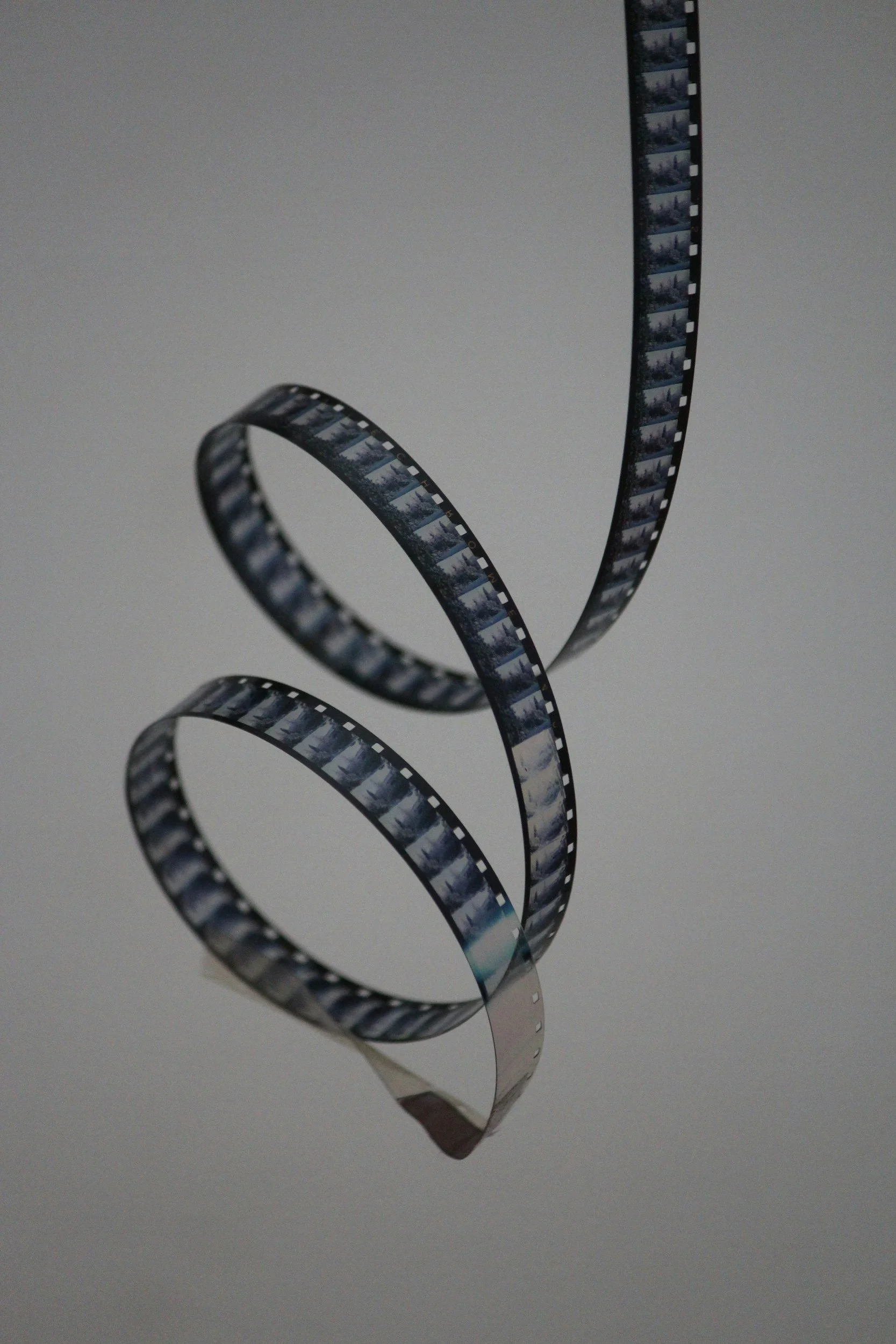
Lab-Backed Analog Workflow Design & Delivery Standard
This service is delivered jointly by Lenso (camera department + on-set workflows) and ANDEC (lab processing + scanning alignment). We build the full chain early — so what you plan is what you get in dailies and final scans.
Clear responsibilities and standards across camera, production, lab and post
Consistent scan intent and predictable dailies/delivery
Reduced risk: fewer delays, fewer miscommunications, fewer costly surprises
WHY SHOULD YOU CARE?
Analog goes wrong when the workflow isn’t designed
Problems usually come from late decisions, unclear handoffs, or misaligned expectations between set, lab and post.
01
Dailies don’t match creative intent → approvals slow down
05
FILM & CAMERA TEST NOT DONE OR NOT PROPERLY → PROBLEMS DURING THE SHOOT AND RETAKES
02
Labelling and reporting gaps → confusion, rework, time lost
06
gear incompatibilities not detected in prep → set delays
03
International logistics → delays and fragile handoffs
07
Late-stage costs → set delays overtime, emergency rentals, reshoots
04
Scan specs aren’t locked early → endless back-and-forth in post
Built for productions that need certainty
-
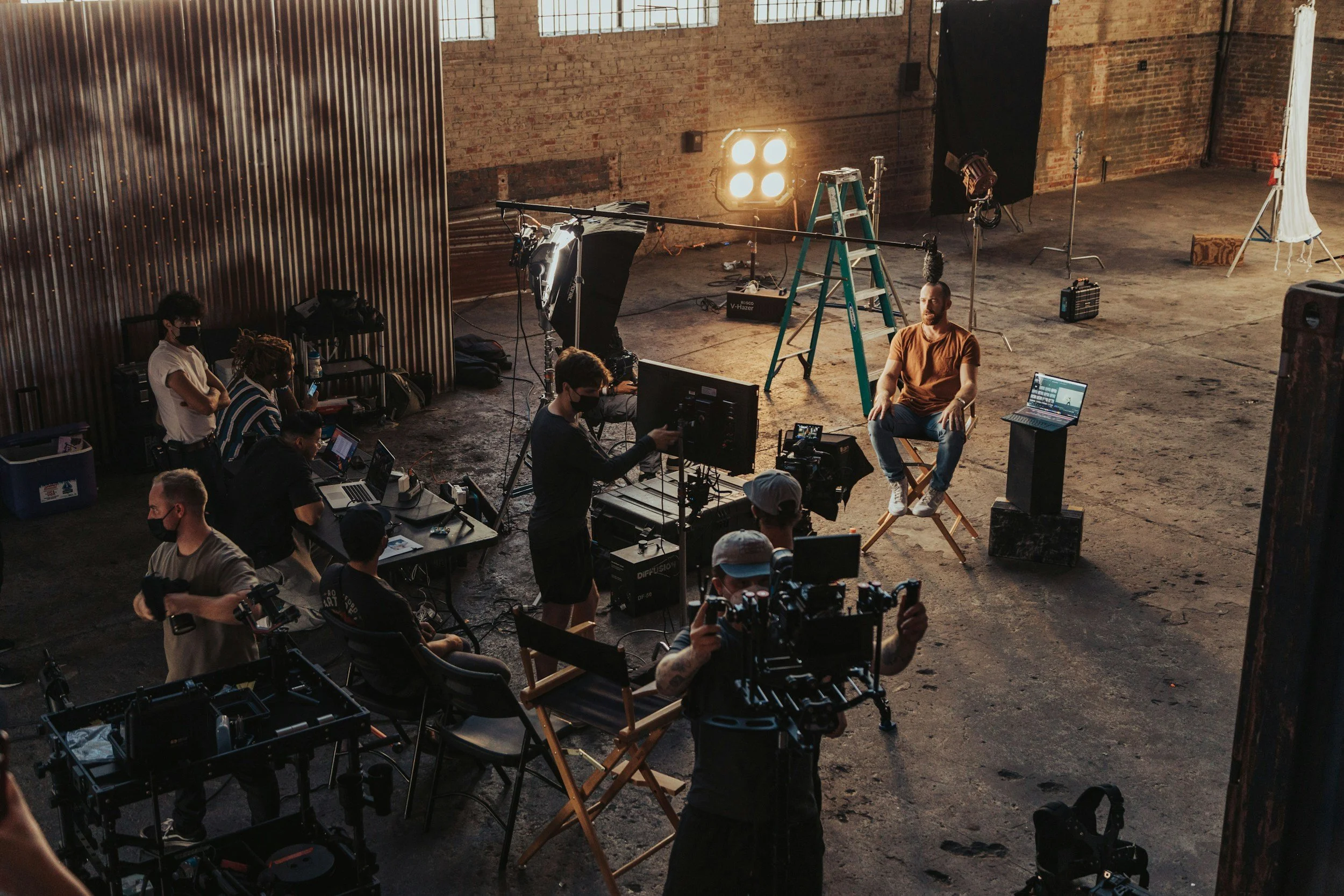
![Film set with a man sitting on a chair in front of a camera, surrounded by crew members, lighting equipment, and a laptop inside an industrial space with exposed brick walls.]()
Features & Series
Multi-week shoots, multiple units, strict delivery
-
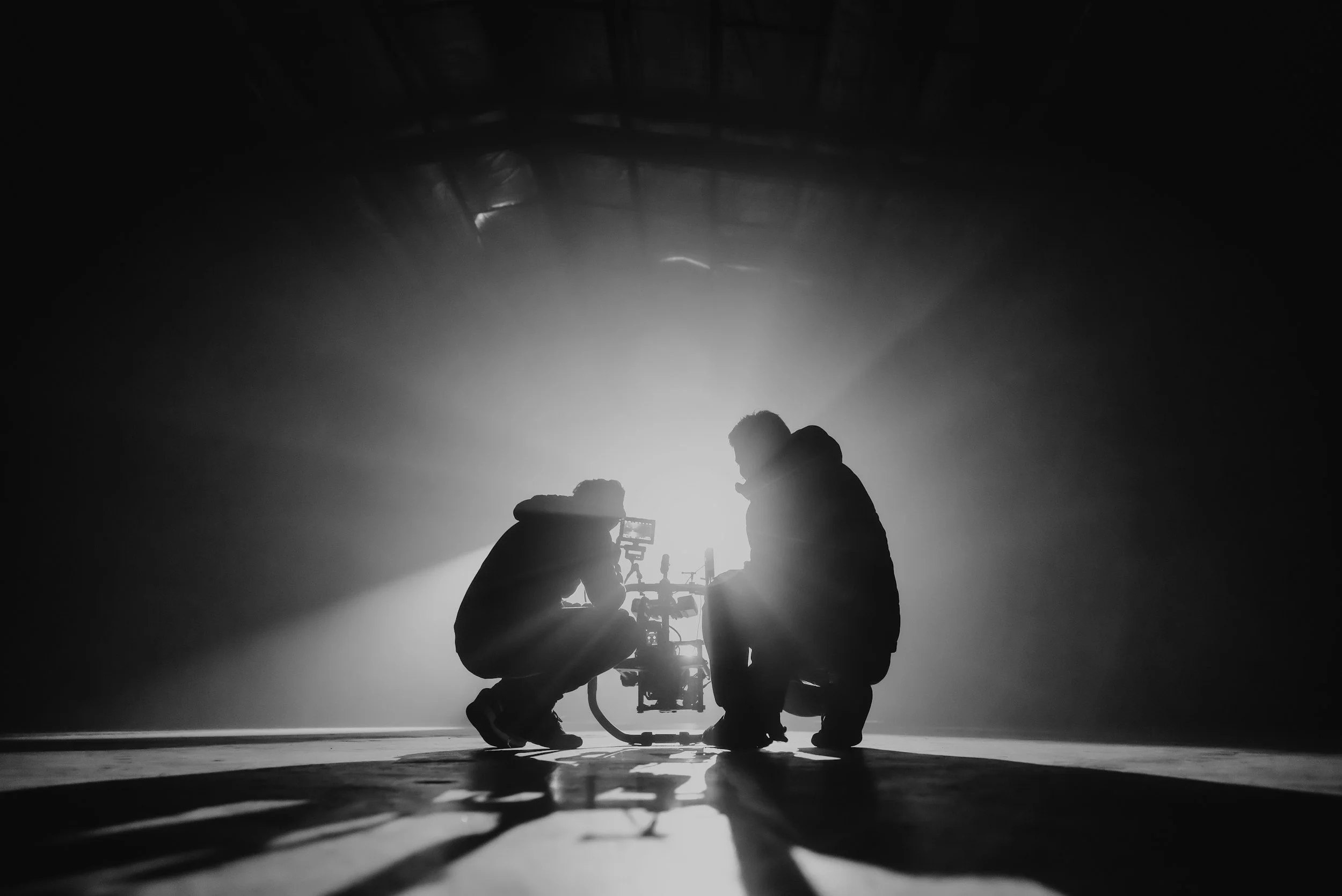
![Two people working with a film or camera equipment in a dark, industrial or warehouse setting, backlit to create a silhouette effect.]()
Commercial & Fashion
Look-critical work with tight timelines
-
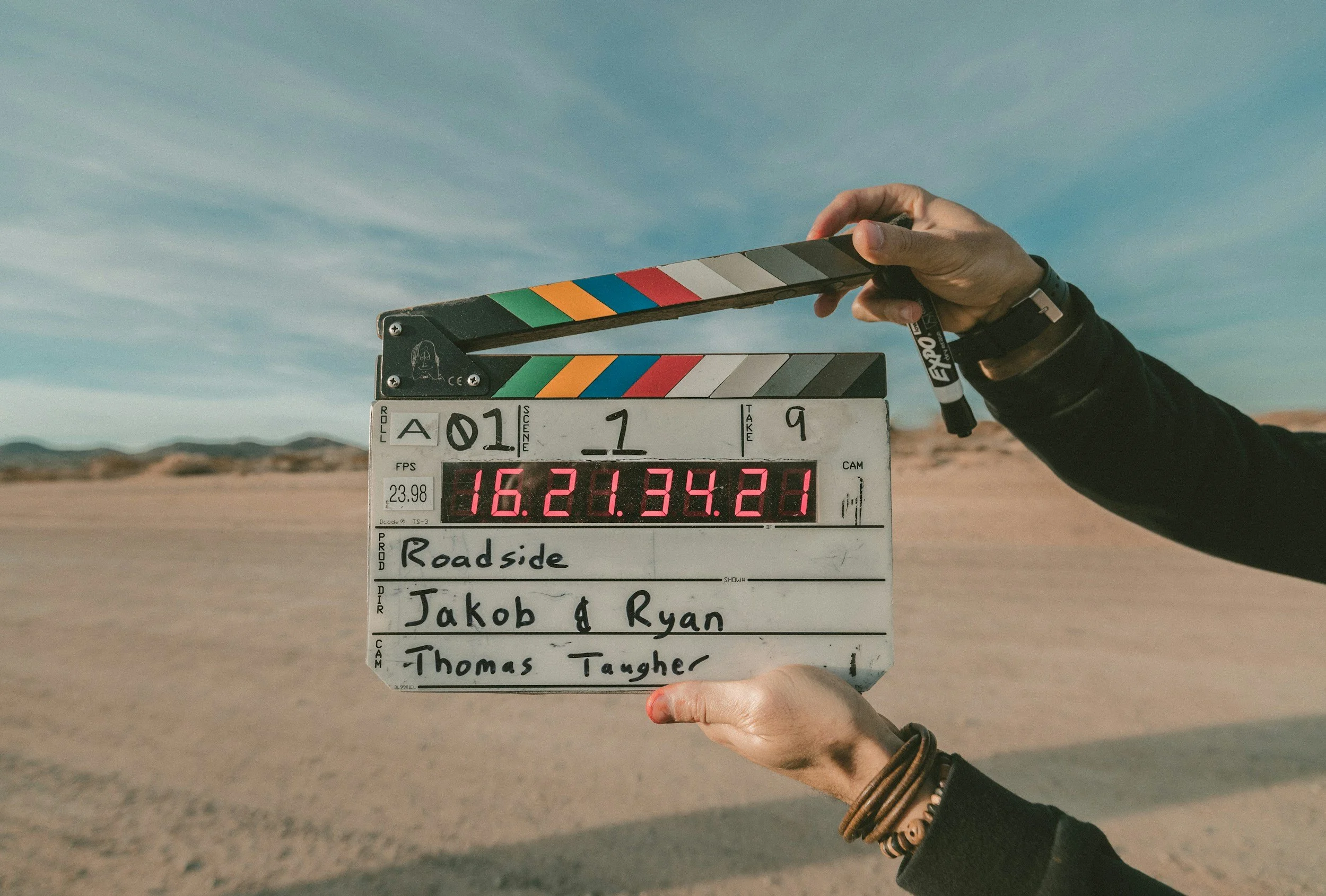
![Clapperboard in a desert landscape for a film scene with handwritten details: Roadside, Jakob & Ryan, Thomas Taugher, with an electronic time display showing 16:21:34:21.]()
International Productions
Traveling with film workflows across borders
-
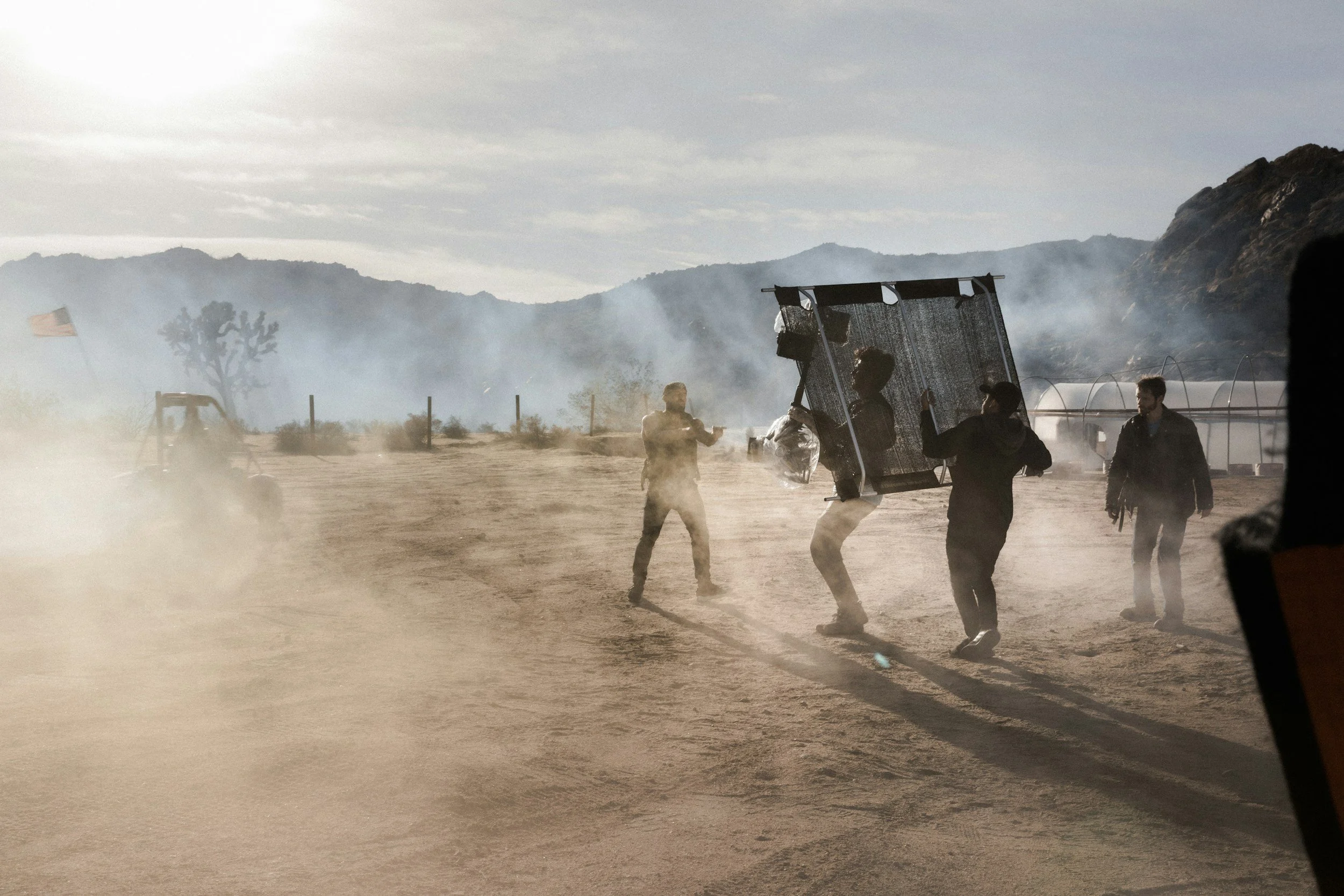
![Filming crew setting up equipment outdoors on a dusty, dusty, clouded landscape with mountains and a tree in the background.]()
Producers & Post Teams
Who want fewer variables and clean delivery
What you get out of it:A workflow everyone can follow (set → lab → scan → post)
A Scan/dailies plan aligned to creative intent — early
Faster approvals, cleaner handoffs, fewer surprises
Clear escalation path when something changes mid-production
A real contingency plan (backup options and decision rules)
OUR APPROACH
-
One shared workflow, one aligned delivery standard.
-
Camera workflow design (prep → on-set handling → reporting)
On-set protocols: labeling, camera reports, logistics, dailies cadence
International readiness: packing, movement, escalation structure
Communication bridge between production and camera team
-
Processing alignment: assumptions, timelines, constraints
Scan alignment: specs, naming, delivery requirements, scan intent
Lab-side feasibility checks and best practices
Lab communication and technical consistency
HOW IT WORKS
*
HOW IT WORKS *
1. Kickoff — Creative intent, schedule, locations, deliverables, responsibilities
2. Format & Stock Strategy — practical decisions + backups (availability-proof)
4. On-Set Protocols — labeling, camera reports, handoffs, transport rules
Consult: 48–72h from kickoff
3. Scan & Dailies Intent — locked assumptions: specs, cadence, approvals, naming
TIMELINE
Design: 1–2 weeks (depending on shoot date and stakeholders)
5. Lab & Scan Alignment — confirm processing + scanning plan and delivery consistency
Oversight: scoped to shoot weeks
Deliverables your team can use
-
PDF document with end-to-end workflow and responsibilities
-
1-2 pages document with the intent, references, key decisions of the project
-
Customised to each project and their necessities.
-
Naming, formats, cadence, deliverables
-
Packaging, documentation, contacts
-
Plan B options + escalation chain